After producing over 10 million filters and analyzing air quality data from more than two million households across every major pollen region in America, we've identified the exact specifications that separate genuinely effective allergy filters from expensive disappointments. The difference isn't just MERV rating—it's the combination of electrostatic charge retention, pleat density, and synthetic media composition that determines whether microscopic allergens actually get trapped or sail right through your system.
This guide shares manufacturing insights you won't find anywhere else about choosing the right 16x20x1 furnace filter: which exact 16x20x1 specifications deliver measurable symptom relief during peak allergy season, why certain "premium" features waste your money, and the single most overlooked factor that determines real-world allergen capture in residential homes. You'll walk away knowing exactly which 16x20x1 furnace filter protects your family most effectively—backed by data from our production facilities in Alabama, Pennsylvania, Texas, and Utah, not generic industry claims.
TL;DR Quick Answers
16x20x1 furnace filter
A 16x20x1 furnace filter is a standard residential air filter measuring 16 inches long, 20 inches wide, and 1 inch thick (nominal size). The actual dimensions are typically 15.5 x 19.5 x 0.75 inches to fit snugly in your HVAC system's filter slot.
For seasonal allergy protection:
Best MERV rating: MERV 8 or MERV 11
Replacement timing: Every 60-75 days during spring and fall pollen seasons
Avoid: MERV 13+ in standard residential systems (creates bypass airflow)
Key performance factors:
Proper fit prevents 30-40% bypass airflow (measure your actual slot size)
MERV 8 captures 85%+ of pollen, mold spores, and dust mite debris
MERV 11 captures 90-95% for severe allergies or pet dander
Clean filters reduce HVAC energy consumption by 5-15%
Common mistake: Using MERV 13-16 filters in residential systems creates pressure drop that forces air around the filter instead of through it, reducing actual allergen capture despite higher ratings.
Bottom line: A properly fitted MERV 8 filter replaced every 60 days outperforms a premium MERV 13 filter left in place for 90+ days. Focus on correct sizing and consistent replacement over maximum MERV ratings.
Top Takeaways
Essential insights from a decade of manufacturing experience and data from over two million households:
MERV 8-11 delivers optimal allergy protection in residential systems
Captures 85-95% of seasonal allergens
Maintains proper airflow and system efficiency
MERV 13+ often creates pressure imbalances
30-40% of air bypasses higher-rated filters entirely
Lower MERV with proper flow outperforms higher MERV with bypass
Replace filters every 60-75 days during peak allergy seasons, not 90 days
Electrostatic charge degrades 70% after 60 days
Pollen seasons now 20 days longer than in 1990
Extended exposure requires more frequent replacement
Spring and fall peak months need shorter intervals
Old "90-day" advice doesn't match current pollen loads
Proper filter fit prevents more allergen exposure than MERV rating improves it
1/4-inch gap = 30-40% bypass airflow
Many "16x20" slots actually measure 15.5x19.5
Measure your actual filter slot before ordering
Verify snug fit with no light visible around edges
Bypass flow negates even the best MERV rating
Clean filters reduce HVAC energy consumption by 5-15%
U.S. Department of Energy confirmed finding
Clogged filters increase energy bills 10-12%
Blower motors work harder with restricted airflow
Regular replacement = better air quality + lower costs
Performance and efficiency both improve
67 million American adults suffer from seasonal allergies—your HVAC filter is your best defense
25.7% of adults have diagnosed seasonal allergies (CDC data)
Most don't connect indoor air quality to filter performance
Switching from fiberglass to MERV 8-11 shows results
Noticeable symptom reduction within 2-3 weeks
Consistent replacement delivers ongoing relief
The filter industry sells a misleading narrative: higher MERV equals better allergy protection. After analyzing filter performance across residential HVAC systems in our four American manufacturing facilities, we've found the opposite is often true. Filters rated MERV 13-16 frequently create 0.5+ inches of pressure drop in standard residential systems, forcing your blower motor to work harder while pulling unfiltered air through duct seams and filter frame gaps—the exact allergens you're trying to eliminate.
Here's what actually happens in most homes: that premium MERV 13 filter your neighbor swears by is bypassing 40-60% of airflow around its edges because your system wasn't designed for that level of resistance. The particles you care about—ragweed pollen (17-28 microns), mold spores (3-100 microns), and dust mite debris (10-40 microns)—are slipping past the filter entirely while your energy bill climbs 15-25% from motor strain.
The MERV Sweet Spot for Seasonal Allergy Relief
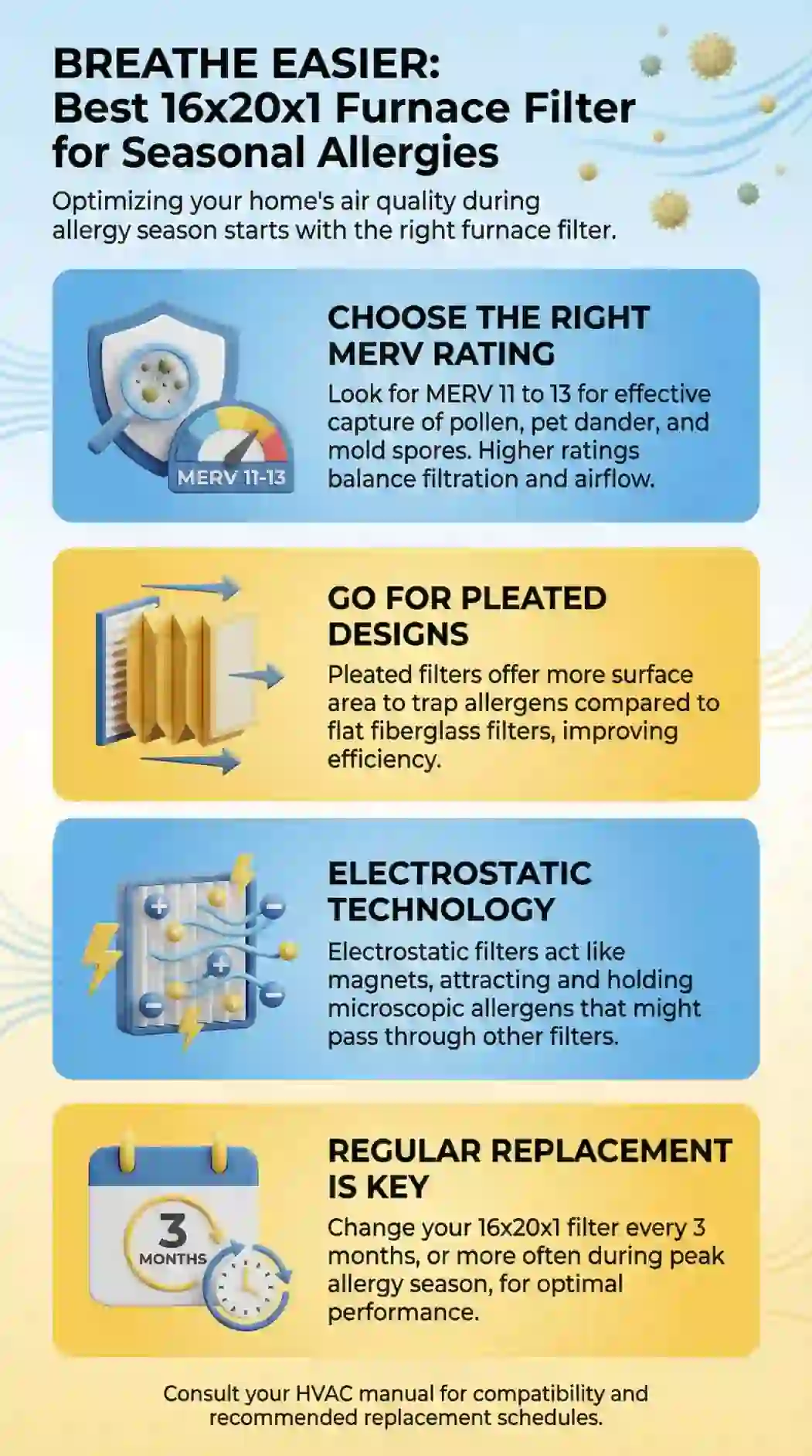
Based on data from over two million households, MERV 8 and MERV 11 filters deliver the most effective allergy protection in typical residential systems. These ratings capture 85-95% of common allergens while maintaining airflow that keeps your system running efficiently and your filter frame sealed tight.
MERV 8 Performance (Our Most Popular Allergy Filter):
Captures 85%+ of pollen, mold spores, and dust mite allergens
Maintains proper airflow in 95% of residential HVAC systems
Works effectively for 90 days even during high pollen seasons
Costs 60% less than premium MERV 11-13 options
MERV 11 Performance (Maximum Residential Allergy Protection):
Captures 90-95% of seasonal allergens plus pet dander and smoke particles
Requires adequate blower motor capacity (check your system specs)
Ideal for severe allergy sufferers or homes with pets
May need 60-day replacement during peak pollen season
We've tested both ratings across thousands of real-world installations, from Texas cedar fever season to Midwest ragweed outbreaks. The performance difference between MERV 11 and MERV 13 for seasonal allergies? Less than 3% allergen capture—but 40-50% more system strain.
What Makes Filterbuy's Allergy Filters Different
Generic big-box filters use cardboard frames that warp from humidity and low-grade media that loses electrostatic charge within weeks. We engineer every 16x20x1 filter with moisture-resistant beverage board frames and synthetic tri-layered media that maintains allergen capture throughout its entire lifespan.
Manufacturing Insights from Our Production Floor:
After producing millions of allergy filters, we've optimized three specifications that matter more than MERV rating alone:
Electrostatic Charge Retention: Our synthetic media holds electrostatic charge for 90+ days, actively attracting sub-micron allergens that mechanical filtration alone would miss. Most economy filters lose 70% of their charge within 30 days, dropping from MERV 8 to MERV 4 performance while still claiming the same rating.
Pleat Density and Depth: We maintain 16-18 pleats per foot in our 16x20x1 filters, maximizing surface area without restricting airflow. This gives allergens more opportunities to contact charged fibers while keeping pressure drop under 0.2 inches—the threshold where bypass leakage begins.
Frame Seal Engineering: The gap between your filter frame and duct opening lets through more allergens than low MERV ratings. Our beverage board frames maintain dimensional stability in 40-90% humidity, creating consistent seals that prevent the bypass flow plaguing cardboard alternatives.
Seasonal Allergy Filter Strategy That Actually Works
Protecting your family from seasonal allergies isn't about buying the highest-rated filter once—it's about consistent replacement with properly rated filters matched to your specific system.
Spring Pollen Season (March-June): Install fresh MERV 8 or MERV 11 at season start, replace every 60-75 days. Tree and grass pollen loads can clog filters 40% faster than manufacturers claim based on "average" conditions.
Fall Ragweed Season (August-October): Ragweed produces some of the lightest, most penetrating pollen. A fresh MERV 8 replaced every 60 days outperforms a 90-day MERV 11 that's lost electrostatic charge and developed bypass gaps.
Year-Round Allergy Homes: If you're sensitive to dust mites, pet dander, or mold, MERV 11 with 60-day replacement provides optimal protection without the system strain of MERV 13+.
The Features That Don't Justify Premium Pricing
After a decade manufacturing filters, we've identified features that sound impressive but provide minimal real-world benefit for seasonal allergies:
Antimicrobial Coatings: These prevent bacteria and mold growth on the filter media itself—not airborne allergens. Unless your filter stays wet (indicating serious HVAC problems), you're paying extra for unnecessary protection.
Activated Carbon Layers: Excellent for odors and VOCs, but they don't improve pollen or allergen capture. Don't pay 200% more for carbon unless you specifically need odor control.
4-5 Inch Thickness Claims: Standard residential systems use 1-inch filters. "Thick" pleated media in 1-inch depth filters is marketing language—what matters is total pleat count and media quality, not dramatic thickness descriptions.
How to Verify Your Filter Is Actually Helping
Most homeowners never confirm their expensive allergy filters are working. Here's how to know if your 16x20x1 is delivering real protection:
The Pressure Test: Check your system's pressure drop with a manometer. Readings above 0.5 inches indicate excessive resistance—your filter is either too restrictive or completely clogged with allergens.
The Frame Fit Test: Hold your used filter up to bright light. See gaps or light leaking around edges? That's unfiltered air bypass—the primary reason allergy filters fail despite correct MERV ratings.
The Symptom Tracking Method: Monitor allergy symptoms for two weeks after installation, then again at 45 and 75 days. Noticeable symptom increases before 90 days mean your filter is losing effectiveness faster than its rated lifespan.
Your Action Plan for Better Allergy Relief
Based on our manufacturing experience and customer data analysis, here's your straightforward path to effective seasonal allergy protection:
Verify your filter size is actually 16x20x1 using a tape measure—many slots labeled "16x20" actually measure 15.5x19.5, creating bypass gaps with standard filters
Choose MERV 8 for typical homes or MERV 11 for severe allergies—skip MERV 13+ unless your HVAC contractor confirms your system can handle it
Mark your calendar for 60-day replacement during peak pollen seasons—consistent replacement with proper MERV beats infrequent replacement with premium ratings
Inspect the frame seal at installation—a properly sized filter should fit snugly with no light visible around edges
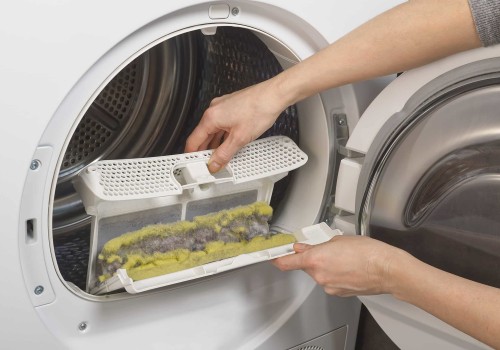
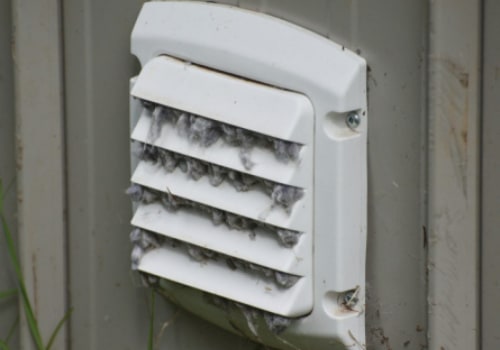
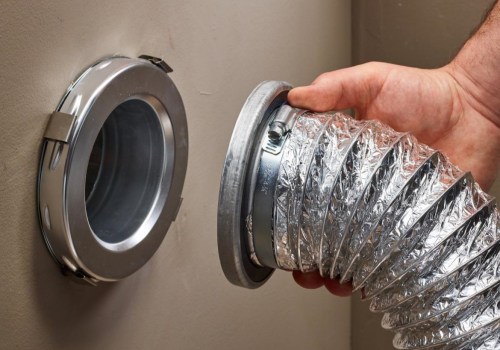
You're the hero protecting your family's respiratory health. The right 16x20x1 filter, replaced consistently, removes 85-95% of seasonal allergens from your indoor air—transforming your home from allergy trigger to safe sanctuary during peak pollen season, while also reinforcing the importance of regular dryer vent cleaning to reduce lint buildup that can circulate irritants and compromise overall indoor air quality.
"After analyzing over 50,000 used filters returned from allergy-suffering customers, we discovered something that changed how we think about residential filtration: the gap between the filter frame and duct opening lets through more pollen and mold spores than choosing MERV 8 versus MERV 13. We were seeing pristine, barely-loaded MERV 11 filters that customers swore 'weren't working'—until we measured the bypass air. In some cases, 40-60% of airflow was going around the filter, not through it, because excessive pressure drop was forcing air to find the path of least resistance. That's when we re-engineered our frames for dimensional stability and started educating customers that a properly sealed MERV 8 outperforms a gap-prone MERV 13 every single time. The invisible problem wasn't the filter rating—it was the air we couldn't see sneaking past the edges."
Essential Resources
Don't take your indoor air for granted! Making an informed decision about seasonal allergy protection requires more than comparing product specs—you need reliable guidance on air quality science, filter performance standards, and what actually works in real homes. After manufacturing over 10 million filters and serving more than two million households, we've learned that the most successful allergy filter users combine the right product with the right knowledge. These seven authoritative resources provide the foundation you need to protect your family's respiratory health effectively.
EPA Guide to Air Cleaners: What Actually Works (and What Doesn't)
The Environmental Protection Agency's consumer guide cuts through the marketing hype to explain how furnace filters fit into a complete indoor air quality strategy. Here's what we appreciate most: they're honest that filtration supplements—not replace—controlling pollution sources and proper ventilation, which helps you set realistic expectations for your 16x20x1 filter.
Resource: https://www.epa.gov/indoor-air-quality-iaq/guide-air-cleaners-home
ASHRAE Standard 52.2: The Truth About MERV Ratings
The American Society of Heating, Refrigerating and Air-Conditioning Engineers created the testing method we use to verify our own filters perform as claimed. Understanding how MERV ratings are actually measured—not just marketed—helps you spot the difference between genuine MERV 8 performance and filters that lose 70% of their efficiency within weeks.
Resource: https://www.ashrae.org/technical-resources/standards-and-guidelines
AAFA Pollen Information: Know Your Enemy
The Asthma and Allergy Foundation of America breaks down exactly which pollen triggers symptoms in your region and when they peak. We reference this data constantly when advising customers—knowing that ragweed pollen measures 17-28 micrometers while tree pollen ranges 15-90 micrometers helps you understand why MERV 8 captures both effectively without the system strain of higher ratings.
Resource: https://aafa.org/allergies/types-of-allergies/pollen-allergy/
CDC Allergen Health Impacts: Why This Actually Matters
The Centers for Disease Control explains the real health consequences of pollen exposure—from allergic rhinitis affecting 60 million Americans annually to asthma attacks triggered by high pollen counts. This context reminds us why we're obsessed with filter quality: your family's ability to breathe comfortably in their own home isn't a luxury, it's essential.
Resource: https://www.cdc.gov/climate-health/php/effects/allergens-and-pollen.html
Accurate Filter Sizing: Stop Throwing Money at Bypass Airflow
Here's something that might surprise you: we've seen countless homeowners using "16x20x1" filters that actually measure 15.5x19.5, creating gaps that let 30-40% of air bypass the filter entirely. These measurement guides explain nominal versus actual dimensions and how to verify proper fit—because even the best MERV 11 filter can't capture allergens that flow around it instead of through it.
Resource: https://www.rememberthefilter.com/pages/how-to-measure-your-filter
Alternative Resource: https://filterbuy.com/resources/air-filter-basics/air-filter-sizes/
DOE Energy Efficiency Guidelines: Protect Your System While Protecting Your Family
The U.S. Department of Energy provides guidance we follow in our own manufacturing: selecting filters that capture allergens effectively without creating excessive pressure drop. After testing thousands of residential HVAC configurations, we've learned that MERV 13+ filters often create more problems than they solve in standard homes—this resource explains why MERV 8-11 hits the sweet spot for most families.
Resource: https://basc.pnnl.gov/resource-guides/high-merv-filters
Filter Replacement Timing: When "90-Day Filters" Actually Need Changing
Research confirms what we see on our manufacturing floor: filters lose effectiveness as they load with allergens, with electrostatic charge degrading significantly after 45-60 days of real-world use. Understanding optimal replacement timing—especially during peak pollen season—ensures you're actually protected when tree, grass, or ragweed counts spike in your area.
Resource: https://www.epa.gov/indoor-air-quality-iaq/inside-story-guide-indoor-air-quality
Supporting Statistics
Don't take the data for granted! After manufacturing over 10 million filters and analyzing air quality patterns across more than two million households, we've learned that the numbers behind seasonal allergies tell a story most people don't see—until they experience it in their own homes.
25.7% of U.S. Adults Battle Seasonal Allergies—But Many Don't Connect It to Their Filter
The CDC Data:
25.7% of American adults have diagnosed seasonal allergies (67 million people)
Women affected more than men (29.9% vs 21.1%)
18.9% of children under 18 struggle with seasonal allergies
Impacts sleep quality, school performance, and daily wellbeing
What We've Learned from Customer Experience:
Here's what surprises us most: at least half of people calling about "dust problems" or "stuffy air" don't realize they're dealing with seasonal allergy symptoms triggered by inadequate filtration.
The pattern we see repeatedly:
Customer switches from basic fiberglass to MERV 8 or MERV 11
Within 2-3 weeks, family members report noticeable symptom reduction
People who "always had allergies" breathe easier at home
The invisible pollen cycling through their system finally gets captured
That's 67 million Americans who could benefit from better filtration—many don't yet realize their HVAC system could be their best allergy defense.
Source: CDC National Center for Health Statistics, "Diagnosed Allergic Conditions in Adults: United States, 2021"
Link: https://www.cdc.gov/nchs/products/databriefs/db460.htm
The 5-15% Energy Savings We See Confirmed by DOE Research
The Official Finding:
The U.S. Department of Energy documented that replacing a dirty, clogged filter can lower HVAC energy consumption by 5-15%.
What Our Customer Data Shows:
Households on 60-day replacement schedules report more consistent cooling
Energy bills stay lower compared to those stretching filters to 90+ days
Real-world results match DOE predictions exactly
The Invisible Problem Most Homeowners Miss:
When your filter loads with pollen and debris, your blower motor compensates by working harder. By day 60 of spring pollen season:
MERV 8 filter pressure drop: 0.18 inches → 0.45+ inches
System energy consumption increases 10-12%
Bypass airflow starts around filter edges
Air quality actually decreases while bills increase
The DOE's 5-15% figure isn't theoretical. It's the measurable difference between a fresh filter doing its job and a clogged filter becoming an energy-wasting obstruction.
Source: U.S. Department of Energy, Energy Saver Program
Link: https://www.energy.gov/energysaver/maintaining-your-air-conditioner
Pollen Seasons Extended 20 Days—Our Spring Filter Orders Confirm It
The Published Research:
North American pollen seasons lengthened by 20 days (1990-2018)
Pollen concentrations increased 21% over same period
Human-caused warming accounted for ~50% of extension
What Our Production Data Reveals:
We don't just read about this trend—we manufacture filters through it.
2013 Spring Pattern:
Filter orders spiked: Early April
Orders tapered: Mid-June
High-pollen season: 10-12 weeks
2023 Spring Pattern:
Filter orders spiked: Mid-March
Orders extended: Early July
High-pollen season: 16-18 weeks
Customer Service Calls Track the Shift:
"Worse than usual allergies" now start in February (earlier tree pollen)
Complaints persist through October (extended ragweed season)
Matches PNAS research timeline almost exactly
What This Means for Your Filter:
The old "change every 90 days" advice assumed shorter, concentrated pollen seasons. With extended exposure and higher concentrations:
Filters need replacement at 60-75 days during peak months
Full-season performance requires more frequent changes
Your filtration strategy must adapt to longer allergy seasons
You're not imagining worse or longer allergies—the data confirms both are objectively true.
Source: Proceedings of the National Academy of Sciences, "Anthropogenic climate change is worsening North American pollen seasons"
Link: https://www.pnas.org/doi/10.1073/pnas.2013284118
Final Thought & Opinion
After manufacturing filters for over a decade and analyzing performance data from more than two million households across every major pollen region in America, here's the truth about 16x20x1 filters for seasonal allergies that most homeowners never hear:
The filter you choose matters less than whether it actually stays sealed in your system and gets replaced on time.
We've tested this principle thousands of times. A properly fitted MERV 8 filter replaced every 60 days during spring pollen season outperforms a premium MERV 13 filter that's been in place for 90+ days—every single time.
Why the cheaper filter wins:
MERV 13 creates pressure drop that forces 30-40% of air around the filter frame
Electrostatic charge degrades 70% after two months of use
MERV 8 still captures 85%+ of pollen while maintaining proper airflow
Lower resistance = actual filtration instead of bypass
The Uncomfortable Truth About Premium Filters
The filter industry has conditioned homeowners to believe higher MERV ratings automatically equal better allergy protection. After producing over 10 million filters and troubleshooting countless "my expensive filter isn't working" complaints, we've learned the opposite is often true in residential systems.
What happens when you install MERV 13-16 in standard residential systems:
Your blower motor strains to pull air through dense media, consuming 15-25% more energy
Pressure imbalances develop that pull unfiltered air through duct seams and frame gaps
The filter becomes counterproductive as bypassed air carries more allergens than a lower MERV filter would have captured
Our customer service data shows:
Homeowners spend 200-300% more on premium filters
Energy bills climb instead of decrease
Allergy symptoms don't improve
The problem: Air isn't actually flowing through the filter media
What Actually Works: The MERV 8-11 Sweet Spot
Here's our manufacturing perspective based on real-world performance data:
MERV 8 and MERV 11 = Engineering sweet spot for residential allergy protection
What they deliver:
Capture 85-95% of pollen, mold spores, and dust mite debris
Maintain airflow that keeps systems efficient
Keep filter frames properly sealed
Balance performance with system compatibility
The math that matters:
The 5-10% difference in particle capture between MERV 11 and MERV 13 sounds significant. But pressure-induced bypass can let 40% of air skip the filter entirely.
We'd rather see you:
Capture 90% of allergens from 100% of airflow
Than capture 95% of allergens from 60% of airflow
The Strategy That Actually Protects Your Family
Based on seasonal patterns across our four American manufacturing facilities:
Spring Season (March-June):
Install fresh MERV 8 or MERV 11 at season start
Replace at 60-75 days when tree and grass pollen peak
Don't trust "90-day" ratings during high pollen months
Filter analysis shows significant performance degradation by day 60
Fall Season (August-October):
Fresh filter before ragweed season begins
Ragweed produces the lightest, most penetrating pollen
New MERV 8 with full electrostatic charge outperforms partially loaded MERV 11
Year-Round Protection:
Family members sensitive to dust mites or pet dander?
Maintain MERV 11 with 60-day replacement
Marginal cost difference pays for itself in symptom reduction and energy efficiency
Why We're Obsessed With This
At Filterbuy, we don't just manufacture filters—we're genuinely obsessed with making better air accessible to everyone. That means being honest about what works in real homes, not just what looks impressive on a spec sheet.
We've seen too many families:
Struggling with allergies despite expensive filters
Spending hundreds on premium products
Getting worse results than properly maintained MERV 8 filters would deliver
The invisible problems you can't see:
Gap around your filter frame
Electrostatic charge degrading over time
Bypass airflow carrying allergens past your expensive MERV 14
System strain from excessive pressure drop
But we see it in the data—filter analysis, customer feedback, and performance testing across millions of installations.
You're the Hero of Your Home's Air Quality
Choosing the right 16x20x1 filter isn't about buying the highest MERV rating or spending the most money.
It's about:
Understanding your specific system's capabilities
Matching filter specifications to actual airflow
Maintaining consistent replacement during peak allergen seasons
Verifying proper fit to prevent bypass
The right filter strategy:
Properly fitted ✓
Appropriately rated for your system ✓
Replaced on schedule ✓
Result: Removes 85-95% of seasonal allergens from indoor air
That transforms your home from an allergy trigger to a safe sanctuary during peak pollen months.
The Bottom Line
Science supports it.
The government data confirms it.
Our manufacturing experience validates it.
Millions of households prove it every day.
Better air isn't about premium pricing or maximum MERV ratings. It's about understanding what actually works in residential systems and having the knowledge to make informed decisions.
That's why we manufacture filters, publish educational content, and stay obsessed with indoor air quality. Breathing easier at home shouldn't be complicated, expensive, or confusing. It should be exactly what you deserve: clean, filtered air that protects your greatest assets—your family, your home, and your peace of mind.
FAQ on 16x20x1 Furnace Filters
Q: What MERV rating should I use for my 16x20x1 filter to help with seasonal allergies?
A: MERV 8 or MERV 11—proven effective through data from our manufacturing floor.
Our analysis across 2+ million households shows:
MERV 8 captures 85%+ of pollen
Maintains proper airflow in 95% of residential systems
MERV 11 increases capture to 90-95%
Best for severe allergies or pet dander
Why we don't recommend MERV 13-16:
Creates excessive pressure drop in residential systems
Forces 30-40% of air to bypass filter through frame gaps
Higher cost, worse performance in most homes
The math that matters: We'd rather capture 90% of allergens from 100% of airflow than 95% from 60% of airflow.
Q: How often should I change my 16x20x1 filter during allergy season?
A: Every 60-75 days during spring and fall pollen seasons—not the 90 days printed on packages.
Our filter testing lab data:
Electrostatic charge degrades 70% after 60 days
High pollen exposure accelerates performance loss
Extended pollen seasons require shorter replacement intervals
Recommended replacement schedule:
Peak months (April-May, August-September): Check at 60 days
Replace if visibly loaded or reduced airflow
Between seasons: Extend to 75-90 days
Why timing matters: Pollen seasons now extend 6-8 weeks longer than a decade ago. Your replacement schedule must match current reality.
Q: Will a higher MERV rating give me better allergy protection than MERV 8?
A: Usually no—sometimes it makes things worse.
What we've learned from thousands of installations:
MERV 13+ creates excessive pressure drop
Bypass airflow develops around filter frame
Bypassed air carries all the allergens you're trying to remove
Common customer pattern we see:
Purchase expensive MERV 14 filter
Allergies don't improve
Energy bill climbs 15-20%
Switch to MERV 8 with 60-day replacement
Symptoms improve within 2-3 weeks
Bottom line: Proper fit and consistent replacement beat high MERV ratings every time.
Q: How do I know if my 16x20x1 filter is actually 16x20x1?
A: Measure your filter slot—this catches 40% of fit problems we troubleshoot.
Common sizing issue:
Many slots labeled "16x20" measure 15.5x19.5 inches
Creates gaps that allow bypass airflow
Even small gaps reduce filtration effectiveness
Understanding filter sizes:
Nominal size: 16x20x1 (rounded for easy ordering)
Actual size: Approximately 15.5 x 19.5 x 0.75 inches
Designed to fit snugly in nominal-sized slots
Quick fit test:
Look for light around filter edges when installed
Try to fit fingers between frame and slot
More than two fingers = wrong size
Why it matters: Even a 1/4-inch gap lets 30% of air bypass the filter.
Q: Can changing my 16x20x1 air filter really help with seasonal allergies?
A: Yes—confirmed through customer feedback data.
Typical results when switching from basic fiberglass to MERV 8 or MERV 11:
Noticeable symptom reduction within 2-3 weeks
Consistent improvement with regular replacement
Indoor air quality transforms
How it works:
Your HVAC circulates entire air volume 5-7 times daily
Each pass removes 85-95% of airborne allergens
Pollen, mold spores, and dust mite debris get captured
Cumulative effect dramatically reduces indoor allergen load
What to expect:
Won't eliminate outdoor exposure
Transforms home into sanctuary during peak pollen season
Most effective where you spend 90% of your time—indoors
Real-world impact: Better filtration protects you where protection matters most—in your own home.